Seasonal Check-Ins: Designing Beyond Installation
Spring Check-Ins: What the Garden Teaches Back
As spring arrives, I get the itch to be outside all day, every day—and I don’t fight it.
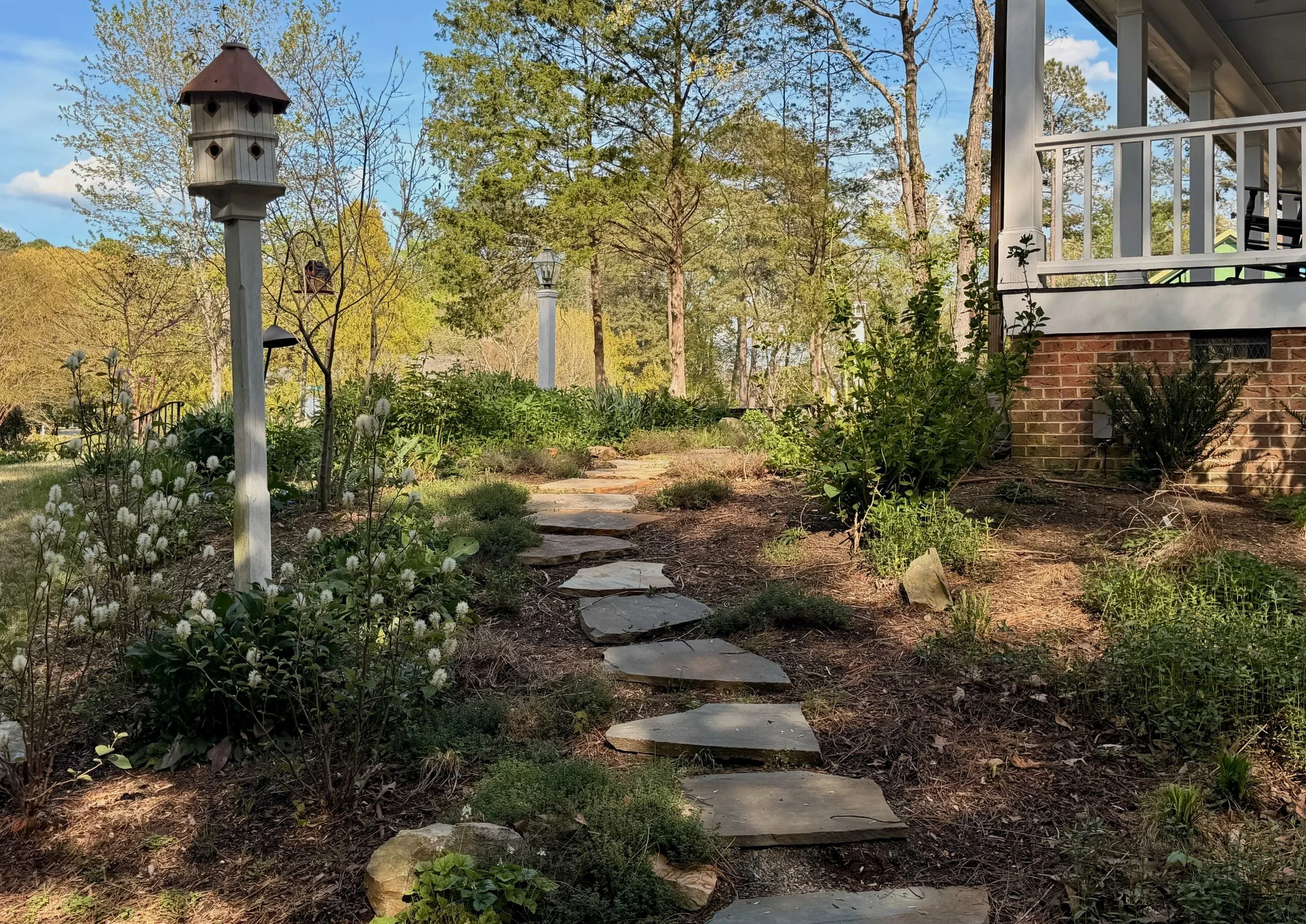
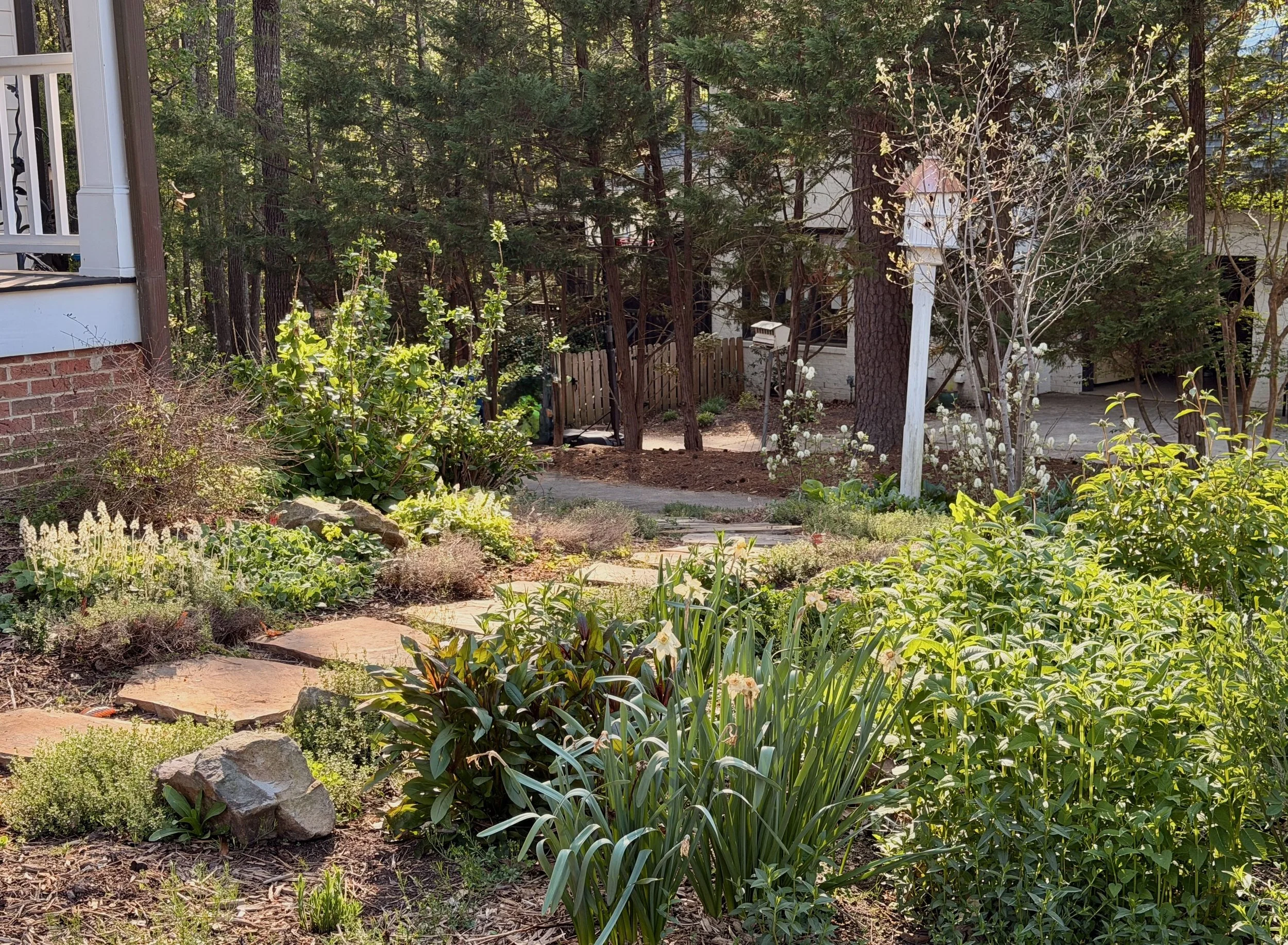
Part of my work as a landscape designer is returning to gardens I’ve installed over the years. These routine check-ins aren’t just maintenance—they’re a kind of long-term study. Each visit reveals what time has clarified, what’s held together, and what hasn’t.
Do the plantings still feel cohesive, or are there gaps beginning to show? Is that shade groundcover holding its own against the slow creep of weeds along the path? If everything surges in spring, what carries the garden through the quieter heat of late summer, or into fall?
These are questions no drawing or planting plan can fully answer. The garden always has the final say.
Early spring reminds me that foliage can be just as compelling as flowers. The first flush of growth—beebalm, mountain mint, and other members of the mint family—pushes up with energy, often before anything else has fully woken. Pinching them back now encourages density later, setting the groundwork for a fuller, more structured planting as the season unfolds.
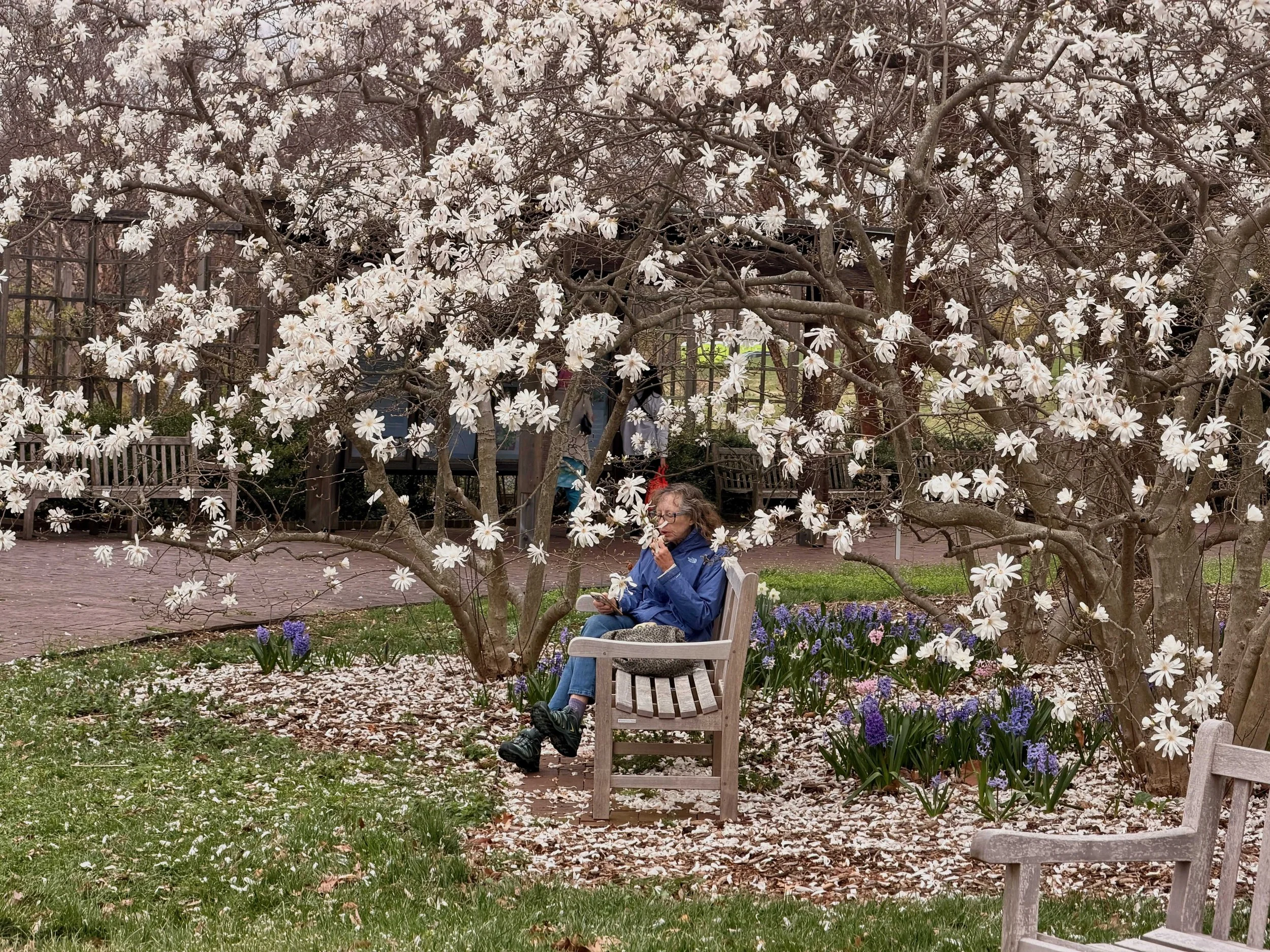
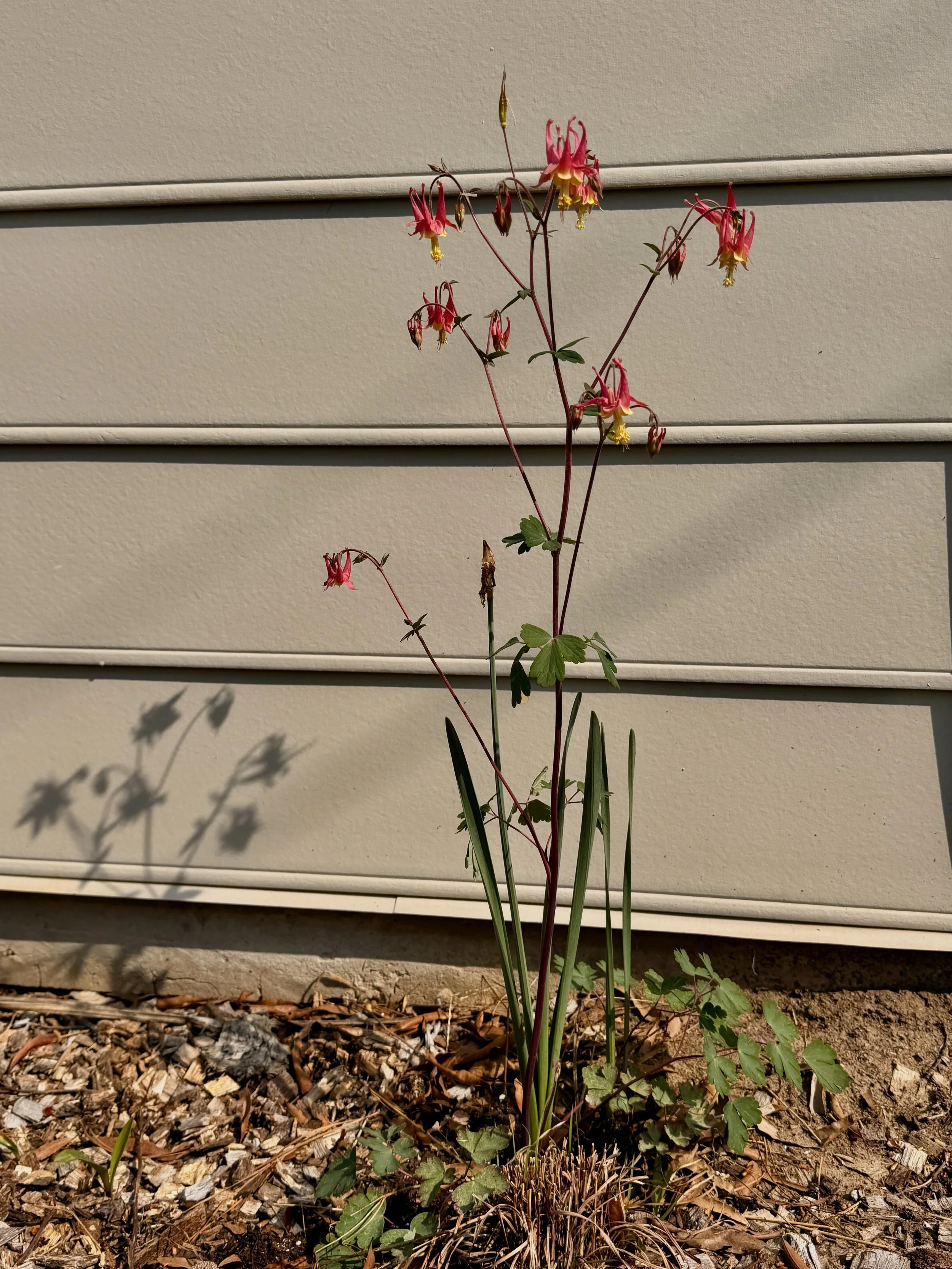
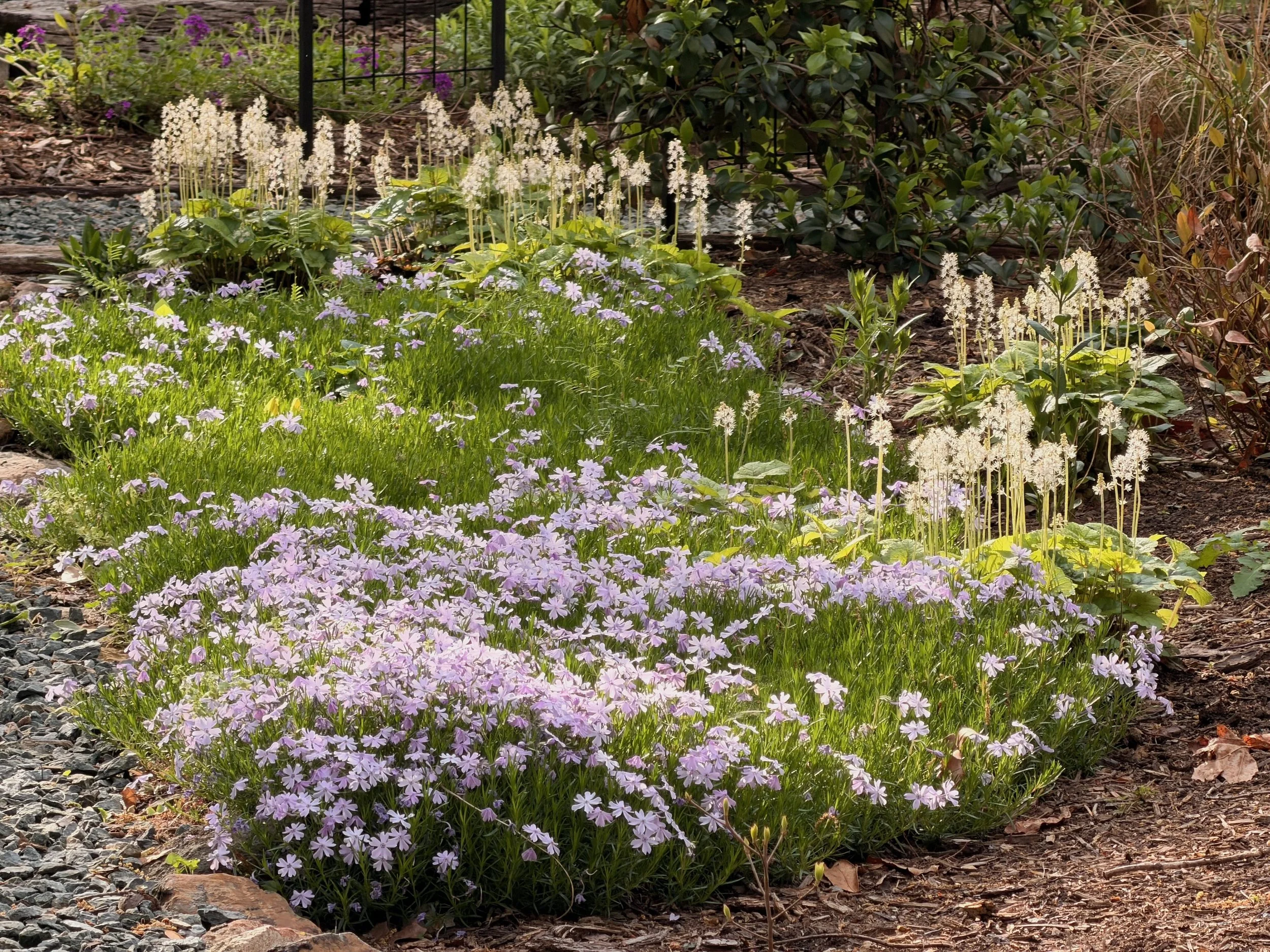
While the seasonal showstoppers—cherry blossoms, tulips, moss phlox—tend to steal the moment, I find myself drawn to the quieter performers. A single columbine flower, examined up close, reveals an intricate architecture that rewards attention.
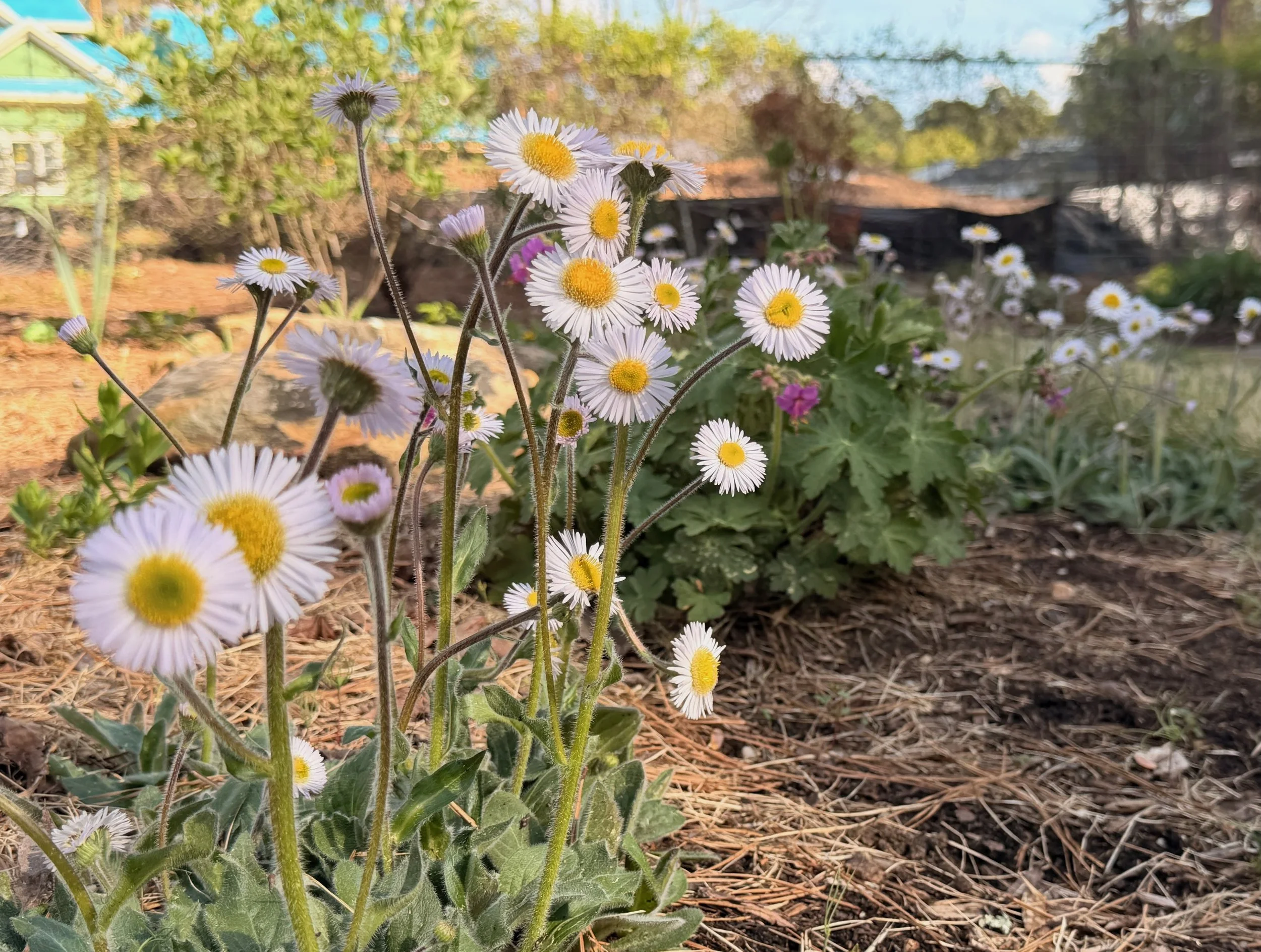
And then there are the plants that earn their place over time. Erigeron pulchellus ‘Lynnhaven Carpet,’ commonly known as fleabane or robin’s plantain, is one I return to often. It forms a dense, low mat that thrives in dry shade—never flashy, but incredibly reliable. Its delicate white, aster-like blooms arrive right when the garden needs a subtle lift.
This time of year, part of my role with clients is simply helping them read what they’re seeing.
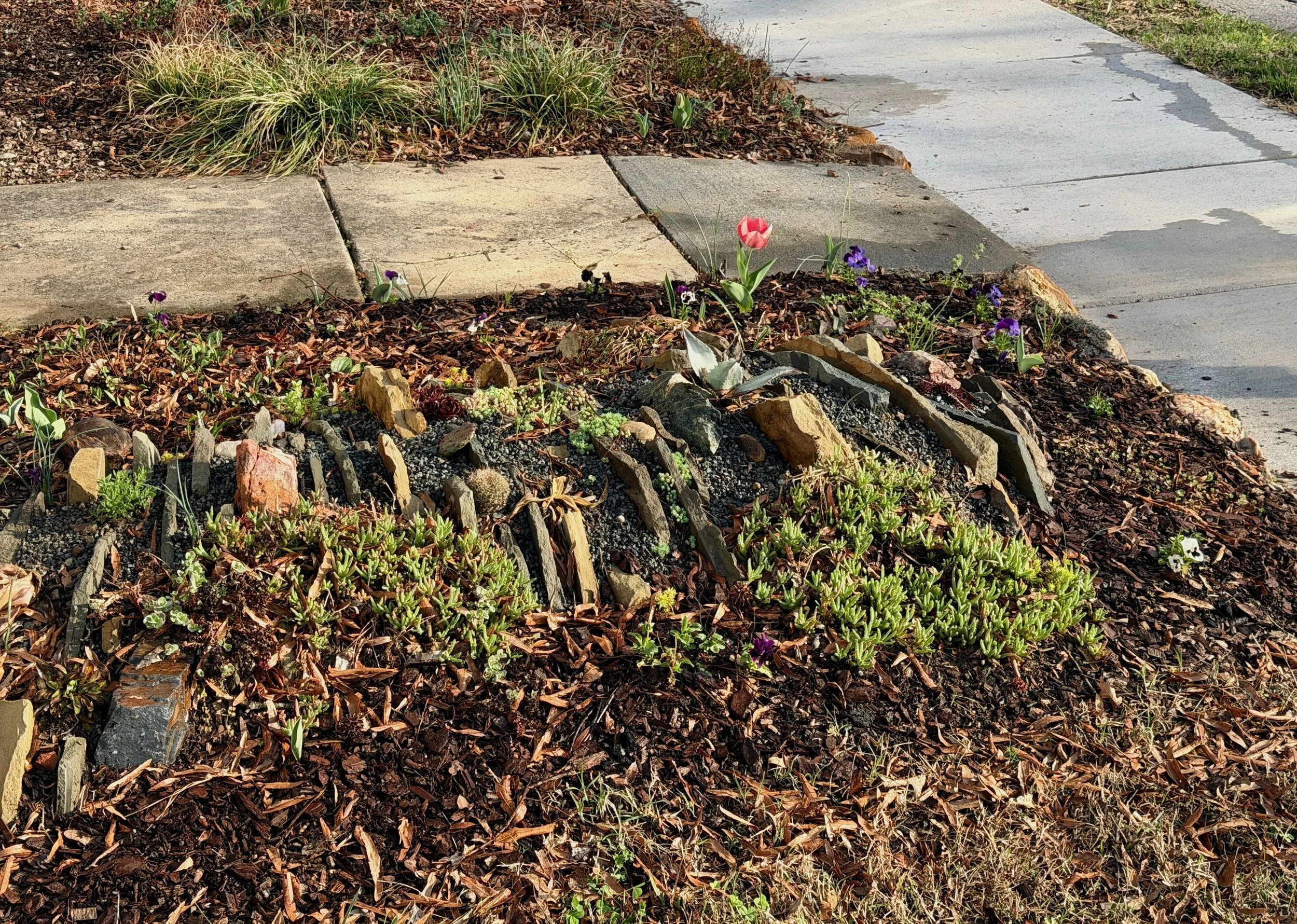
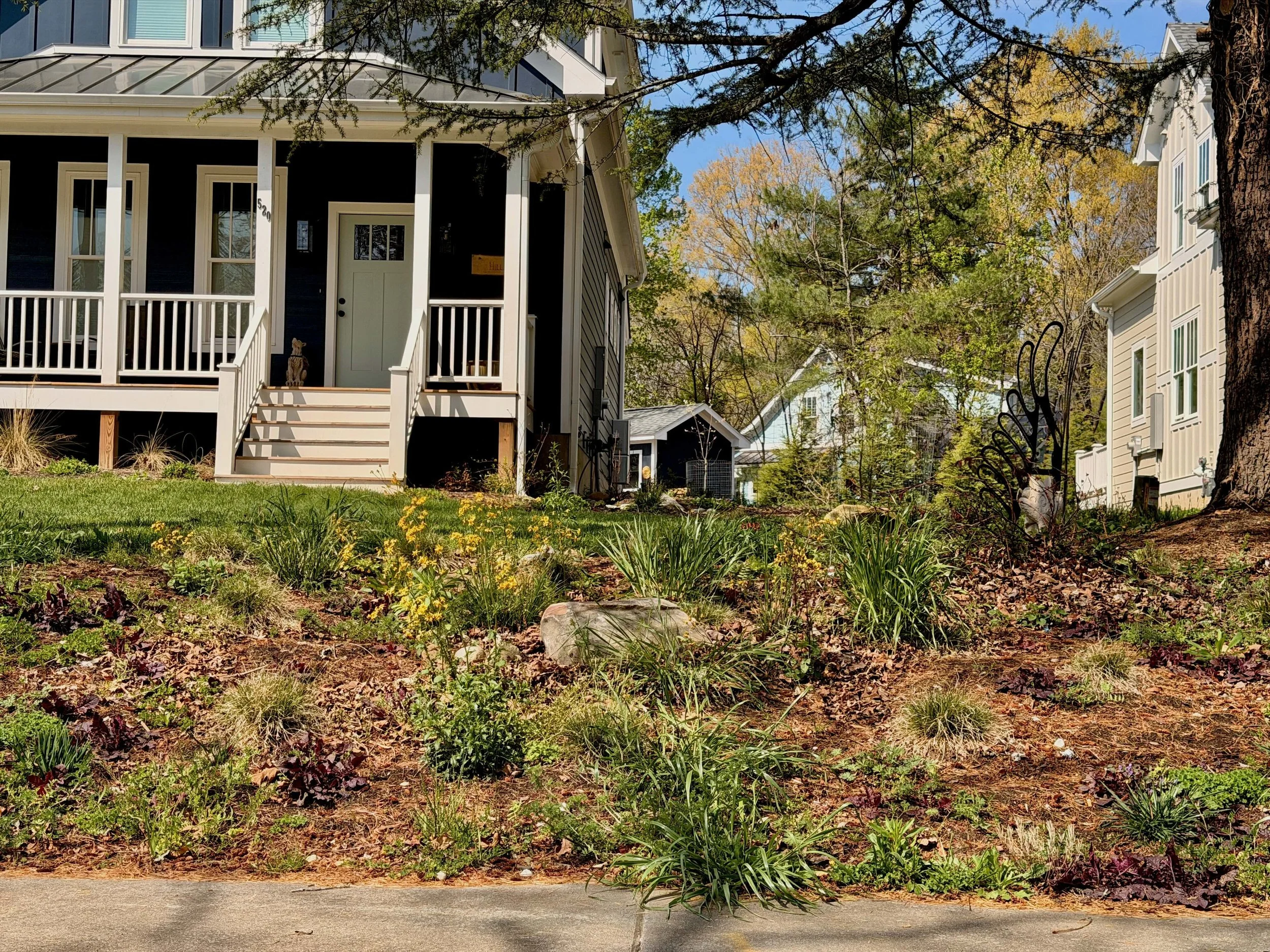
The brown tufts of bunch grasses, dried perennial stalks, last season’s remnants still standing—these aren’t signs of neglect. They’re structure. They’re habitat. More than anything, they’re a preview of what the garden is about to do.
A garden in early spring asks for a bit of patience. Look closely, and it will tell you exactly where it’s headed.